Have you ever smelled a perfume and wondered why it feels different from the fragrances you usually know? Perhaps it has a rich rose scent, a touch of smoky wood, or a mix of notes you cannot quite put your finger on.
If you have experienced something like this, you may have come across a niche fragrance.
The word niche appears frequently in perfume reviews, fragrance shops, and discussions among perfume lovers. But what does it actually mean? Is a niche perfume simply an expensive fragrance? Does it have to smell unusual? And is it really different from the designer perfumes you already know?
The answer is more interesting than you might think. Niche perfumery is about the fragrance house, its creative direction, and how it approaches perfume.
What Is a Niche Fragrance?

A niche fragrance is a perfume associated with a specialised fragrance house whose identity centres on creating perfumes rather than selling fragrance as one part of a wider fashion or lifestyle business.
The word niche refers to a specialised area or market. In perfumery, it commonly refers to fragrance houses that build their reputation on scent creation, a distinct creative identity, and a more focused approach to the perfume market.
Historically, niche perfumery has been described as an alternative to mass-market fragrance production. Rather than aiming to reach the widest possible audience, these houses often develop perfumes for people interested in particular scent styles, creative ideas, or less familiar compositions.
However, there is no single official definition that every perfume house must meet to qualify as niche.
In simple terms, niche fragrance describes a particular approach to the perfume business, not a special ingredient, scent family, or guaranteed level of quality.
Think of it this way: if a fashion house creates perfume alongside clothing and accessories, its fragrance is generally considered designer. If a house builds its identity primarily around perfume creation, it is commonly described as niche.
What Makes a Perfume Niche?
There is no official checklist that every niche fragrance must pass. Still, a few features help explain why certain perfume houses are commonly placed in this category.
1. Fragrance Is at the Centre of the Brand
A niche fragrance house usually builds much of its identity around perfume.
Its collections may explore different ingredients, scent families, places, memories, or creative ideas. The fragrance itself is a central part of the brand rather than simply another product carrying a famous name.
For example, Amouage describes itself as a high-perfumery house founded in Oman in 1983. Its official history highlights its connection to Arabian perfumery, craftsmanship, and creative development. The house also describes itself as an independent company.
2. A Distinct Creative Direction
Many niche fragrance houses develop collections around particular ideas.
One perfume might explore the smell of a garden, while another focuses on incense, leather, or warm woods. Some fragrances are easy to understand from the first spray. Others may take time to appreciate.
The aim is not necessarily to create something strange. It is to give the fragrance a recognisable direction. A perfume can be soft and simple yet still belong to a niche collection.
3. More Focus on the Fragrance Experience
Niche perfumery often places attention on the concept behind a perfume and how its scent is put together.
This may involve the choice of materials, the balance between different notes, the creative brief, or the story behind the fragrance.
However, it is important not to confuse this with a guarantee of superior ingredients or craftsmanship.
The International Fragrance Association explains that fragrance creation combines natural materials, synthetic fragrance ingredients, scientific work, and the skills of trained perfumers. These approaches are part of modern perfumery generally, not exclusive to niche brands. IFRA: How Is Fragrance Made?.
4. A More Selective Market
Historically, niche fragrance houses have often used more selective distribution than mainstream perfume brands.
Their perfumes may be sold through specialist perfume shops, selected retailers, or their own boutiques.
This can make a fragrance less familiar to the average shopper, especially when compared with designer perfumes found in many shopping centres.
However, selective distribution is not a strict requirement today. Some niche brands have grown into internationally recognised businesses with extensive retail networks.
Niche vs Designer Fragrance: What Is the Difference?
This is where many perfume beginners get confused.
You may already know brands such as Dior, Chanel, Gucci, and Versace. Their perfumes are generally classified as designer fragrances because they come from fashion and luxury brands with wider product ranges.
Niche fragrance houses, on the other hand, are generally identified by their focus on perfumery.
Here is a simple comparison.
| Feature | Niche Fragrance | Designer Fragrance |
| Brand identity | Usually centred on perfumery | Often connected to fashion, beauty, or a wider luxury brand |
| Creative direction | May focus on specific scent ideas or concepts | May reflect the wider brand’s identity |
| Distribution | Often associated with specialist or selected retailers | Commonly available through broad retail networks |
| Scent style | Can be familiar, unusual, subtle, or bold | Can also be familiar, unusual, subtle, or bold |
| Price | Varies widely | Varies widely |
| Examples | Amouage, Diptyque, Byredo | Dior, Chanel, Gucci |
These are general descriptions rather than fixed rules.
A designer fragrance can have a strong creative identity. A niche perfume can smell familiar and easy to wear.
The category tells you something about the brand and its market position. It does not tell you whether the fragrance will suit your taste.
Examples of Niche Fragrance Brands
The easiest way to understand niche perfumery is to look at actual fragrance houses.
The following brands are commonly discussed within the niche fragrance market. Their own histories and product ranges also show why the category is not limited to one scent style or business model.
1. Amouage
Amouage was founded in Oman in 1983 and describes itself as a high-perfumery house.
Its official brand history highlights the influence of Arabian perfumery and the country’s historical connection with incense and myrrh.
The house has developed a range of perfumes and other scented products.
Examples of its fragrances include:
- Interlude Man
- Reflection Man
- Guidance
Amouage is a useful example of a fragrance house with a strong connection to its heritage and a clear focus on perfumery.
2. Byredo
Byredo was founded in Stockholm in 2006 by Ben Gorham.
According to its official history, the brand was created from an interest in translating memories and emotions into products and experiences.
Its range includes perfumes, makeup, home fragrance, and accessories. This makes it a useful example of how a brand commonly associated with niche perfumery can grow beyond perfume alone.
Some of its recognised fragrances include:
- Gypsy Water
- Bal d’Afrique
- Mojave Ghost
- Blanche
3. Diptyque
Diptyque is a Parisian fragrance house known for its perfumes and scented home products.
Its collections include personal fragrances, candles, and other products designed around scent.
Examples of its perfumes include:
- Philosykos
- Do Son
- Eau Duelle
Diptyque is often included in discussions of niche perfumery because of its fragrance-focused identity and distinctive approach to scent.
4. Nishane
Nishane is a fragrance house from Istanbul, Turkey.
Its perfume collection includes different scent styles, from fresh and fruity compositions to rich woody and sweet fragrances.
Examples include:
- Hacivat
- Ani
- Hundred Silent Ways
The brand is another example of how niche perfumery covers a wide range of scent preferences rather than one particular smell.
5. Maison Francis Kurkdjian
Maison Francis Kurkdjian is a French fragrance house founded by perfumer Francis Kurkdjian and Marc Chaya.
Its collection includes fresh, floral, woody, and amber-style fragrances.
Some well-known examples are:
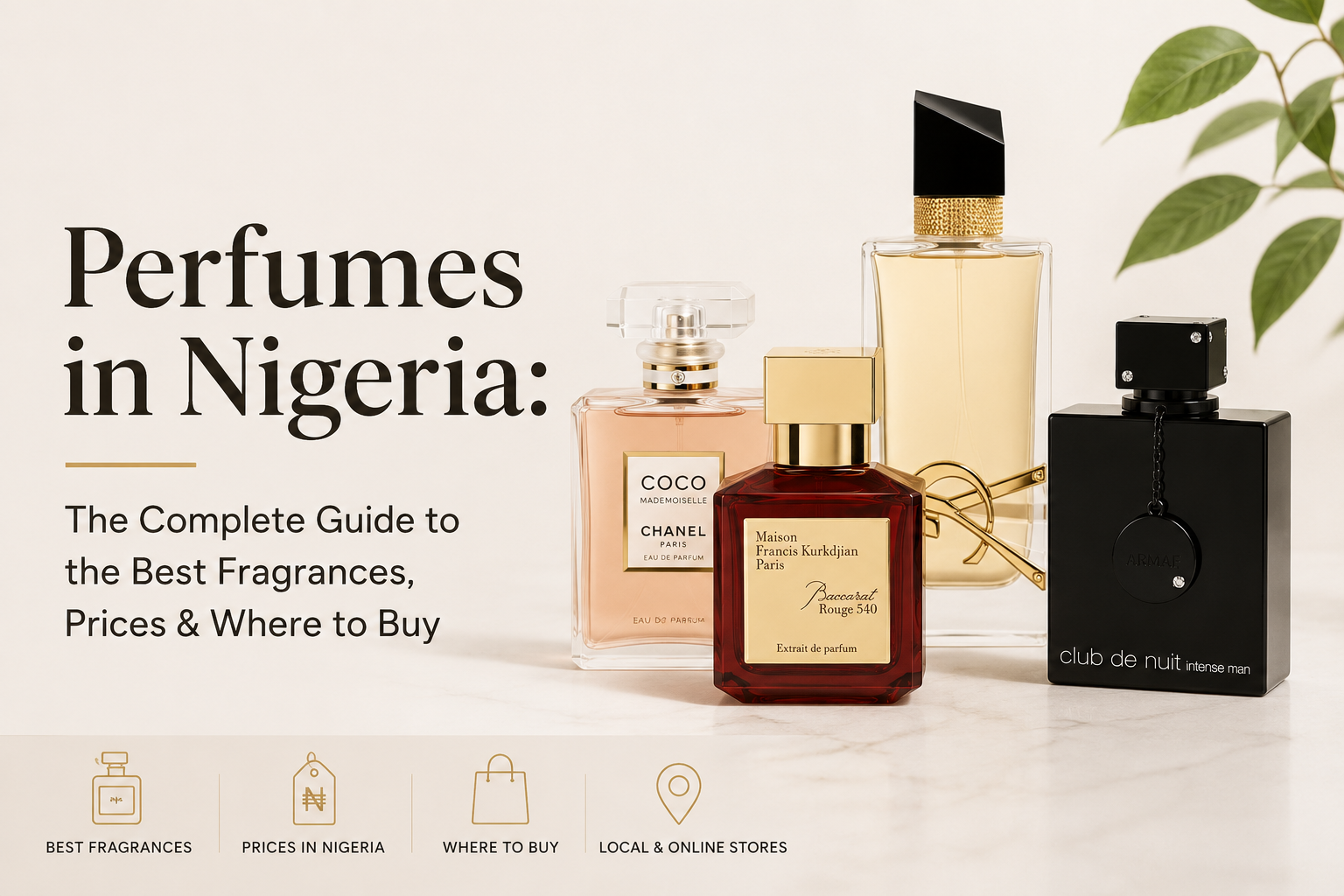
- Baccarat Rouge 540
- Gentle Fluidity Gold
- Aqua Universalis
The brand is commonly associated with niche perfumery, although its international recognition and wider commercial presence show how the category can grow beyond its earlier image of small, specialist fragrance houses.
Are Niche Fragrances More Expensive?
Many niche fragrances are expensive, but price is not what makes a perfume niche.
A fragrance may cost more because of its ingredients, packaging, production costs, distribution, brand positioning, or other business decisions.
Some niche perfumes are positioned as luxury products, while others are more accessible.
Designer fragrances also cover a wide range of prices. A designer perfume can cost as much as, or more than, a niche fragrance.
So, if you see a perfume selling for a high price, do not assume it is niche.
And if you find a relatively affordable perfume from a specialist fragrance house, do not assume it cannot be niche.
Niche is about the fragrance house and its approach. Price is about what the product costs.
They are related in some cases, but they are not the same thing.
Are Niche Fragrances Better Than Designer Perfumes?
Niche fragrances are not automatically better than designers. And this is one of the biggest misunderstandings in perfume discussions.
Some people assume that niche perfumes are always better because they are often more expensive or less common. Others believe designer fragrances are less creative because they are made for a wider market.
A niche perfume can be beautifully made, but it can also be disappointing to someone who dislikes its scent.
A designer perfume can be familiar and widely available, yet still be enjoyable and well composed.
Think of it like music. A song does not become better simply because fewer people know it. What matters is whether you enjoy listening to it.
The same applies to fragrance.
Instead of choosing a perfume only because it carries the niche label, consider:
- Do you enjoy the smell?
- Does it suit your taste?
- Is the price reasonable for your budget?
- Does it perform the way you expect?
- Can you comfortably wear it in your usual environment?
A perfume should work for you, not just look impressive on your shelf.
Do Niche Fragrances Last Longer?
No category guarantees longer-lasting performance.
Some niche fragrances last many hours, while others fade relatively quickly. The same is true of designer perfumes.
Longevity depends on several factors, including the formula, concentration, ingredients, skin, weather, and how the perfume is applied.
For example, a fragrance built around rich woods, resins, or certain musks may remain noticeable for a long time. A light citrus fragrance may feel fresher but fade sooner.
These are tendencies, not guarantees.
If you are buying a perfume mainly for its performance, look for reviews that describe how long it lasted on the reviewer’s skin and under what conditions.
Do not rely on the niche label alone.
Are Niche Fragrances Made With Natural Ingredients?
Some niche perfumes use natural materials such as essential oils, flower extracts, woods, and resins. Others use synthetic fragrance materials, and many combine both.
Synthetic ingredients are not simply cheap substitutes for natural ingredients. They are important parts of modern perfumery.
According to IFRA, synthetic fragrance materials can help extend natural materials or recreate certain scent effects with fewer resources. Read IFRA’s explanation of fragrance ingredients.
A perfume’s quality cannot be judged simply by counting its natural ingredients.
The final scent depends on how the materials are selected, combined, and balanced.
Natural does not automatically mean better, and synthetic does not automatically mean worse.
What Does a Niche Fragrance Smell Like?
There is no single scent that defines niche perfumery.
Niche fragrances can belong to almost any scent family. They may smell fresh, floral, woody, sweet, spicy, smoky, or musky.
Here are some common fragrance styles you may encounter.
Fresh and Citrus
These fragrances may feature lemon, bergamot, grapefruit, orange, or green notes. They can give a clean, bright, and refreshing impression.
Woody
Woody fragrances may feature cedarwood, sandalwood, vetiver, or other wood-like materials. Depending on the composition, they can smell dry, creamy, earthy, warm, or smooth.
Floral
Floral fragrances may feature rose, jasmine, iris, orange blossom, or other flower notes. Some smell like fresh flowers, while others are more powdery, green, or warm.
Amber and Spicy
These fragrances may combine warm spices, resins, vanilla, and other rich-smelling materials. They often create a warm and deep scent impression.
Gourmand
Gourmand fragrances are known for edible-smelling notes such as vanilla, chocolate, caramel, coffee, and sweet almond. They can remind you of desserts or sweet treats.
These scent styles are not exclusive to niche perfumes. They are simply examples of the variety available across the fragrance world.
What Is the Difference Between Niche and Indie Fragrance?
The words niche and indie are sometimes used interchangeably, but they can describe different things.
Niche fragrance generally refers to a specialist fragrance house or a particular market position.
Indie fragrance usually refers to an independently run brand, often a smaller operation created by an individual perfumer or a small team.
For example, an indie perfumer may create fragrances in a small studio and sell them directly to customers.
A niche fragrance house may have a much larger team, international retailers, and a wide product collection.
The categories can overlap. An independent perfume maker can also be considered a niche.
The important difference is that indie says more about the business’s independence and scale, while niche is commonly used to describe its place in the fragrance market.
These terms are not always used consistently, so it is helpful to look at the actual brand rather than relying only on its label.
Is Every Expensive or Rare Perfume Niche?
A perfume can be expensive because it belongs to a luxury fashion house. It can be rare because it is discontinued or produced in limited quantities.
Neither feature automatically makes it niche. Likewise, a niche fragrance does not have to be difficult to find or unusually expensive.
To know whether a perfume is a niche fragrance, you don’t simply ask questions such as, “How much does this perfume cost?”
Instead, ask, “What kind of fragrance house created it, and how does the brand position its perfume collection?”
That gives you a clearer understanding of the category.
How to Start Exploring Niche Fragrances
If you are new to niche perfumery, you do not need to begin with a full bottle or an expensive collection.
Start with the scent styles you already enjoy.
If you like fresh perfumes, explore citrus, green, or clean woody fragrances.
If you enjoy sweet scents, try vanilla, tonka bean, or gourmand compositions.
If you prefer richer perfumes, explore woods, spices, amber, and incense.
You can also try discovery sets or samples before buying a full bottle.
This is especially useful because a perfume can smell different on a test strip and on your skin. Give it time to develop before deciding whether you like it.
There is no need to rush. The pleasure of fragrance is in discovering what suits you.
Frequently Asked Questions About Niche Fragrances
1. What is a niche fragrance in simple words?
A niche fragrance is a perfume from a specialist fragrance house whose identity centres on creating perfumes. These brands often have a distinct creative direction and may focus on particular scent ideas or fragrance experiences.
2. What are niche fragrances known for?
Niche fragrances are commonly associated with specialist perfume houses, distinctive creative identities, and a focus on scent creation. They can range from simple and fresh to rich and unusual.
3. Is Dior a niche fragrance brand?
Dior is generally classified as a designer fragrance brand because it is a wider fashion and luxury house that also produces perfumes.
4. Is Tom Ford a niche perfume brand?
Tom Ford fragrances are generally classified as luxury designer fragrances. The brand operates across fashion and beauty, although some of its fragrance collections use characteristics commonly associated with niche perfumery.
5. Are niche fragrances worth buying?
That depends on your taste, budget, and what you want from a perfume. A niche fragrance may be worth exploring if you enjoy its scent and appreciate the brand’s creative approach. It is not automatically a better purchase simply because it is niche.
Final Thoughts
Niche perfumery gives fragrance houses room to build a clear identity around scent. Some explore familiar ingredients in new ways, while others create perfumes inspired by places, memories, materials, or particular ideas.
But the word niche should not be treated as a promise that a perfume is better, more natural, longer-lasting, or worth a higher price.
It simply helps describe a part of the fragrance world.
Whether you choose a niche creation, a designer classic, or an affordable everyday perfume, the most important thing is that you enjoy wearing it.
A good fragrance does not need a famous name or a high price to leave a lasting impression.

Join the Conversation