Many people see cologne as completely different from perfume, but I see it differently because I discovered that they’re far more alike than most people think.
I’ve watched people pick up a bottle labeled “cologne” and put it back because they assume it isn’t for them. Others reach for a bottle labeled “perfume” because they believe it must be stronger, longer lasting, or somehow of higher quality. And the most commonly known comparison is that cologne is for women why perfume is for men.
The truth is that colognes and perfumes are made from the same fundamental ingredients, including aromatic compounds, alcohol, water, and other supporting ingredients that help create and preserve the scent. What usually separates one from another is the concentration of fragrance oils, how a brand chooses to market it, and, in some cases, regional naming traditions.
In fact, even the International Fragrance Association (IFRA), the global organization responsible for fragrance safety standards, explains that terms such as cologne, eau de toilette, and eau de parfum are not strictly defined by international standards. Their meanings can vary between brands, market segments, and regions. Likewise, the National Center for Biotechnology Information (NCBI) notes that “cologne” has evolved into a general term used for lower concentration perfumes and is often associated with men’s fragrances rather than representing a fundamentally different type of product.
That’s why simply looking at the word cologne or perfume on a bottle doesn’t tell you everything you need to know. To truly understand a fragrance, you need to look beyond the label and understand what determines its strength, performance, price, and overall character.
A Quick Answer
The difference between cologne and perfume is concentration. Both are worn by men and women, a fact researchers have confirmed even in blind testing. Higher concentration means more intensity, longer wear, and a higher price, because more raw aromatic material goes into every bottle. Cologne (Eau de Cologne) contains roughly 2 to 5% fragrance oil and lasts 2 to 4 hours, while perfume (Parfum or Extrait de Parfum) contains 20 to 30% fragrance oil and can last 8 to 12+ hours.
What Is Cologne?
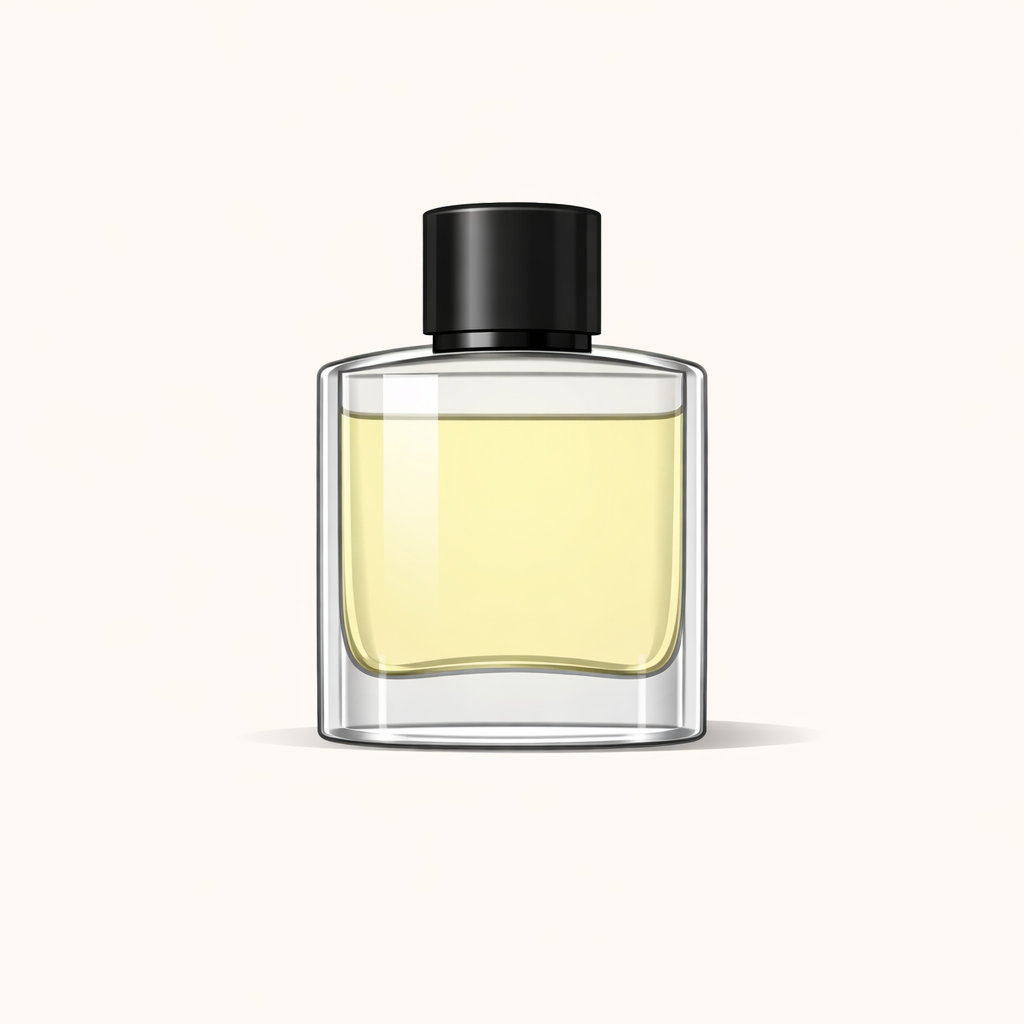
As I mentioned earlier, “cologne” originally referred to a specific fragrance called Eau de Cologne, which was created in the German city of Cologne in 1709 by Italian perfumer Giovanni Maria Farina. His creation was a light blend of citrus oils, including bergamot, lemon, and neroli, balanced with rosemary and other aromatic herbs. Unlike modern perfumes that are designed to evolve over many hours, Farina’s fragrance was intended to be a refreshing splash that delivered an immediate burst of freshness.
Historians and researchers have documented that Farina deliberately created a scent that reminded him of an Italian spring morning after the rain, and his Eau de Cologne quickly became one of Europe’s most celebrated fragrances. NCBI also recognizes Eau de Cologne as the fragrance that gave rise to the modern use of the word “cologne” and explains how the term gradually evolved beyond the original formula.
Today, “cologne” is used in two different ways. In the strict technical sense, it still refers to Eau de Cologne (EDC), which typically contains about 2 to 5% fragrance oil. In the United States, “cologne” has become a generic word for almost any men’s fragrance, regardless of its actual fragrance concentration. IFRA also notes that terms such as cologne, eau de toilette, and eau de parfum are not strictly defined by international standards, meaning their use can vary between brands, product lines, and regions. That explains why two bottles labeled “cologne” can have completely different strengths.
The formula was named after the city where it was invented, not because it was created specifically for men. In fact, both men and women wore Eau de Cologne throughout Europe. Its popularity became so widespread that “Eau de Cologne” gradually evolved from the name of one famous fragrance into a category of fragrance, much like how some product names eventually become everyday terms.
Traditional Eau de Cologne usually contains roughly 2 to 5% fragrance oil, giving it a lighter character than stronger fragrance types. It typically lasts about 2 to 4 hours, although actual performance depends on the ingredients, skin chemistry, weather, and formulation. Its scent profile is usually bright, citrusy, herbal, and fresh, with an emphasis on sparkling top notes instead of a rich, long lasting dry down because of its relatively low oil concentration.
What’s even more fascinating is that the original 1709 Farina Eau de Cologne is still produced today. More than three centuries later, its exact recipe remains one of the fragrance industry’s best kept trade secrets, with only a very small number of people knowing the complete formula at any given time.
What Is Perfume?
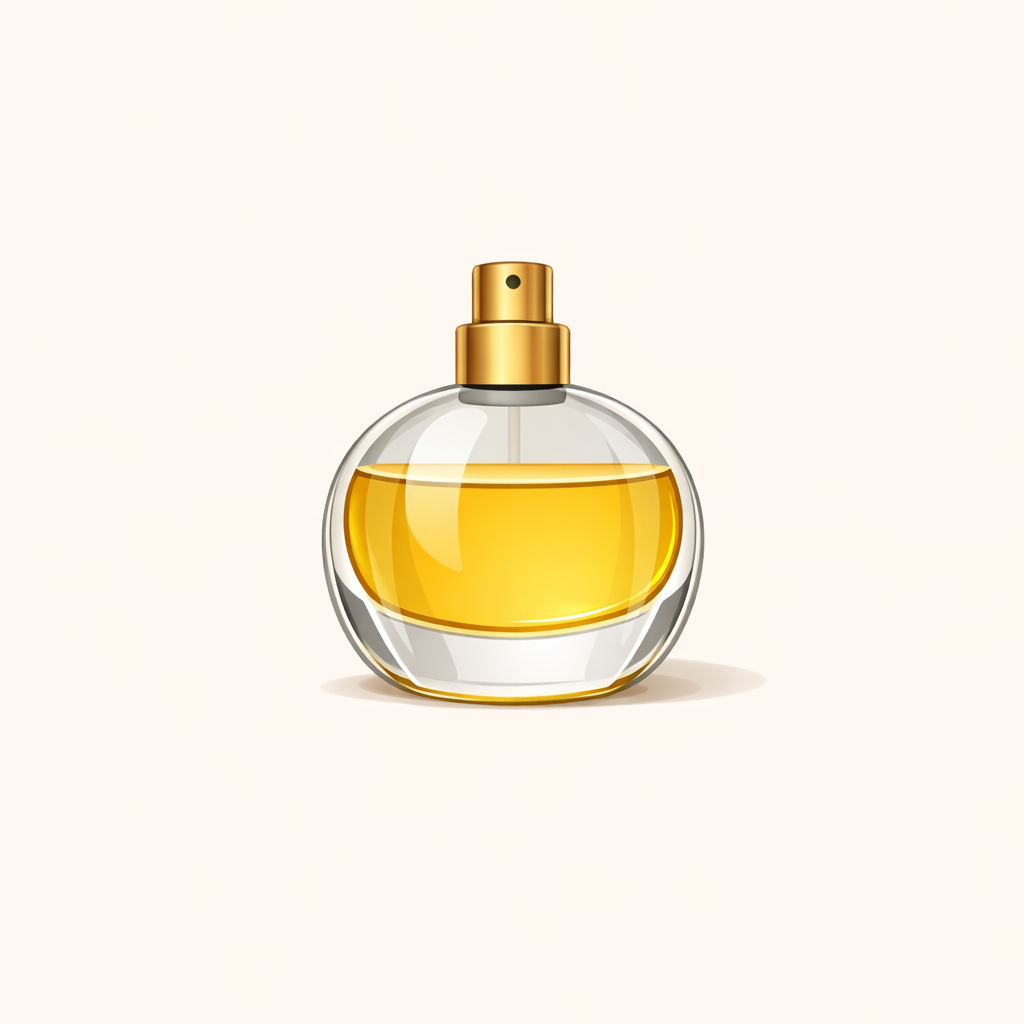
In simple English, the word “perfume” is often used to describe any fragrance, whether it’s a cologne, Eau de Toilette, Eau de Parfum, or Parfum. Within the fragrance industry, however, Parfum or Extrait de Parfum refers to a specific fragrance concentration. It is generally the highest concentration that is commercially available and is known for its richness and longevity.
Parfum is the French and technical term you’ll usually see on fragrance bottles, while perfume is the English word most people use in everyday conversation. When a bottle is specifically labeled Parfum or Extrait de Parfum, it’s telling you that the fragrance sits at the highest end of the concentration scale.
According to IFRA, terms such as Parfum, Eau de Parfum, Eau de Toilette, and Eau de Cologne are not strictly defined by international standards. That means there is no universal law requiring every brand to use the same fragrance oil percentage. Even so, most fragrance houses formulate Parfum at around 20 to 30% fragrance oil, while some niche and artisan brands may go even higher.
Because this concentration requires significantly more aromatic materials, including costly natural ingredients such as rose absolute, oud, iris butter, or high quality amber accords, Parfum is almost always positioned as the premium offering in a fragrance collection. Higher concentration also means more time, materials, and craftsmanship go into the finished product, which helps explain its higher price.
A well-made Parfum typically lasts 8 to 12 hours or longer, although longevity depends on the formula, your skin chemistry, the weather, and where you apply it. Some Parfums can still be faintly noticeable on skin or clothing the following day.
If you already love how an Eau de Parfum smells but wish it lasted longer, it’s worth checking whether the brand also offers a Parfum or Extrait de Parfum version. In many cases, it is the same fragrance signature with a higher concentration of aromatic oils, giving you a richer scent and a longer lasting experience. That said, some brands also adjust the formula slightly, so the Parfum may smell a little deeper, smoother, or more refined than its Eau de Parfum counterpart.
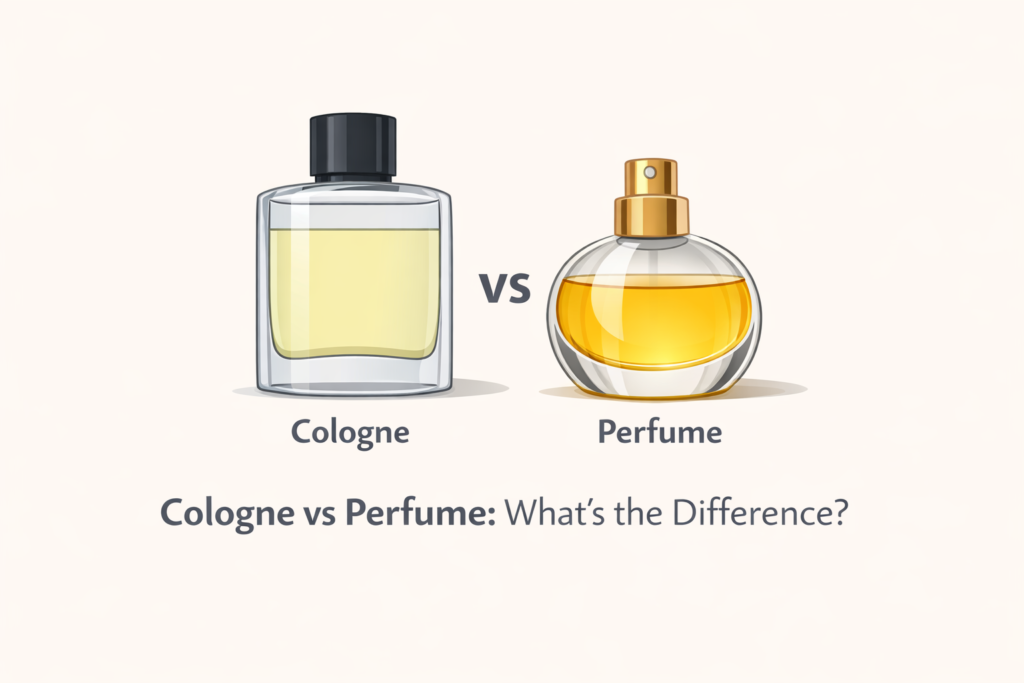
What’s the Difference Between Cologne and Perfume?
| Factor | Cologne (EDC) | Perfume (Parfum/Extrait) |
| Concentration | 2 to 5% | 20 to 30% |
| Lasting power | 2 to 4 hours | 8 to 12+ hours |
| Projection | Minimal, stays close to skin | Strong, fills the space around you |
| Sillage | Light trail | Noticeable trail |
| Price | Lower | Higher |
| Strength | Mild | Intense |
| Ingredients | More alcohol/water, fewer oils | More concentrated aromatic oils, sometimes rarer naturals |
| Bottle size | Often larger (100 to 200ml), meant for generous splashing | Often smaller (30 to 50ml), since a little goes a long way |
| Everyday use | Excellent, light enough to reapply without overdoing it | Works, but easy to overapply |
| Seasonal suitability | Hot, humid climates | Cool, dry climates or evening wear |
| Office wear | Very safe, subtle | Needs restraint (1 to 2 sprays) |
| Formal occasions | Can feel too light | Ideal, matches the weight of the moment |
| Skin compatibility | Higher alcohol content, can feel drying with frequent use | Lower alcohol relative to oils, often gentler on skin |
What You Need to Know About Fragrance Concentration
Every fragrance, no matter what it’s called, is a mixture of aromatic oils, alcohol, and water. The percentage of aromatic oil in that mixture is what determines the category name on the bottle, and it’s the single biggest factor in how a scent performs.
Here’s the hierarchy, from lightest to strongest:
1. Extrait de Parfum / Parfum (20 to 30%+).
This is the most concentrated form sold commercially. Extremely long lasting (often 10+ hours), rich in complexity, and usually the most expensive tier in a brand’s lineup because of how much raw material it takes to reach that concentration.
2. Eau de Parfum (EDP), 15 to 20%
This is the most popular concentration on the market today. Strong enough for all day wear (roughly 6 to 8 hours) without being overwhelming, which is why most modern designer and niche launches default to EDP.
3. Eau de Toilette (EDT), 5 to 15%
This is a lighter, fresher option. Lasts around 4 to 6 hours and is a common choice for daytime and warm weather wear. Historically the standard “everyday” strength before EDP took over that role.
4. Eau de Cologne (EDC), 2 to 5%
This is Light, citrus forward, and short lived (2 to 4 hours), designed to be reapplied through the day rather than worn once and forgotten.
5. Aftershave / Eau Fraîche, roughly 1 to 3%
Lastly, this is the lightest category, often water based with minimal oil. Traditionally used post shave for its skin conditioning properties as much as for scent, and it fades within an hour or two.
Note: these percentage ranges are industry conventions, not legally fixed numbers. Brands sometimes label similar concentrations differently for marketing reasons, so the name on the bottle is a helpful guide but not an absolute guarantee of strength.
Why Perfume Usually Lasts Longer Than Cologne
1. Alcohol Evaporation.
Both cologne and perfume are mostly alcohol by volume. Alcohol evaporates quickly, and as it does, it carries the lightest, most volatile top note molecules away with it. Since cologne has proportionally more alcohol and less oil, more of the scent disappears in those first evaporating minutes.
2. Fragrance Oil Density.
The aromatic oils themselves are heavier and evaporate more slowly than alcohol. A higher oil concentration simply means there’s more slow evaporating material left behind on the skin after the alcohol has gone.
3. Molecular Weight Of The Notes Used.
Perfumes at higher concentrations are often formulated with a heavier proportion of base notes such as musk, amber, woods, and resins, which have larger, heavier molecules that cling to skin far longer than the light citrus and herbal molecules typical of cologne formulas.
4. Skin chemistry.
Oilier skin holds fragrance longer than dry skin because natural sebum acts like a slow-release binder for fragrance molecules. A study published in PubMed found that skin-mediated chemical breakdown of fragrance is actually quite limited under normal, clean, dry conditions, meaning the acid mantle plays a smaller role than most people assume. Instead, oil content and moisture do most of the real work in how long a scent lasts by directly trapping lipophilic molecules and slowing down surface evaporation.
Also Read:- How to Determine Perfume Durability
5. Weather And Humidity.
Heat and humidity speed up evaporation and projection, which is actually one reason cologne was designed the way it was: a refreshing, fast fading splash for warm climates, while cooler, drier conditions let heavier perfumes develop more slowly and last longer.
Is Cologne Only for Men?
No, cologne is not for men only. Historically, Eau de Cologne was worn by anyone, including women, when it was first developed. The gendering happened much later, largely through 20th century advertising that split the fragrance aisle into “his” and “hers” sections to sell more units to more shoppers.
Researchers have actually tested this bias directly. A widely cited 2021 study published in Frontiers in Psychology found that simply labeling an identical, neutral scent as “feminine” or “masculine” changed how people rated and perceived it, which tells us that a lot of what we experience as a fragrance’s “gender” is coming from the label, not the liquid inside the bottle.
The market is catching up with the research. Industry data compiled by Statista and reported by Beautinow found that the share of new fragrance launches marketed as unisex jumped from 17% in 2010 to 51% by 2018, a sign that brands are moving away from rigid demographic labels toward scent profiles built around mood, season, and occasion rather than gender.
Is Perfume Only for Women?
Also false, for the same reason. French perfume houses have historically used “parfum” as a technical, gender neutral term describing concentration, not an audience. Many legendary “women’s” perfumes are worn by men who simply like the scent.
This isn’t just anecdotal. Perfume researcher Anna Lindqvist ran a series of studies, including one published in the Journal of Sensory Studies, where blindfolded participants evaluated fragrances applied directly to human skin. Neither the gender of the wearer nor the commercial “masculine or feminine” label on the bottle meaningfully predicted how much a participant liked the scent, which suggests the categories we see on shelves are a lot more arbitrary than the labels imply.
Does Cologne Smell Better Than Perfume?
Neither is objectively “better.” It’s subjective and situational:
- Fresh vs rich scents: Cologne leans fresh, citrusy, and clean; perfume leans rich, warm, and complex. Preference here is personal.
- Occasion: A boardroom meeting and a candlelit dinner call for different intensities, not different “quality” levels.
- Climate: In hot, humid weather, a heavy perfume can feel cloying, while cologne feels appropriate. In cold, dry weather, the reverse is often true.
- Lifestyle: Someone who prefers changing scents throughout the day may lean toward lighter cologne or EDT, while someone who wants a signature scent that lasts from morning to night will likely prefer perfume strength.
Cologne vs Perfume for Different Situations
| Daily Office Wear | Cologne or EDT. Light enough not to disturb colleagues in shared spaces, and easy to control with 1 to 2 sprays. |
| Date Night | Perfume or EDP. You want it to last through dinner and linger subtly afterward without needing to reapply. |
| Weddings | Perfume or EDP. Long ceremonies and photos call for something that holds up for hours. |
| Summer & Winter Weather | For summer, choose a Cologne or Eau de Toilette (EDT), as warm weather naturally boosts fragrance projection, making lighter concentrations less likely to become overwhelming. In winter, opt for an Eau de Parfum (EDP) or Perfume (Parfum), since cold air reduces projection and evaporation, making a stronger concentration more noticeable and longer-lasting. |
| Travel | Cologne or EDT in travel size bottles. Lighter formulas are more forgiving in shared spaces like planes and cars. |
Which Is More Expensive?
Perfume is generally pricier than cologne, for a few concrete reasons such as higher oil concentration, raw material used, natural ingredients, aging processes and packaging and brand positioning.
Let me explain further;
- Higher oil concentration means more raw aromatic material per bottle. A 50ml bottle of 25% Parfum contains roughly five times the actual fragrance oil of the same size bottle at 5% EDC concentration.
- Raw materials at the top end, such as natural absolutes, resins, and rare woods, cost dramatically more than the synthetic citrus compounds common in cologne formulas.
- Natural ingredients in general cost more to source and process than lab synthesized alternatives, and higher concentration perfumes lean on them more heavily.
- Aging process: some high concentration perfume oils are macerated or aged before bottling, adding production time and cost.
- Packaging and brand positioning: Parfum/Extrait tiers are usually the flagship product in a lineup, so bottles, boxes, and marketing budgets scale up accordingly.
Should You Buy Cologne or Perfume?
Consider everything written in this article, should you either buy cologne or perfume? I says the choice is yours to make and that should be based on the following:
- Budget: If cost per bottle matters more than longevity, cologne or EDT stretches further per money spent, and you can always reapply.
- Lifestyle: Frequent scent switchers and people in scent sensitive workplaces often prefer lighter concentrations, while people who want a consistent signature scent lean toward perfume strength.
- Age: This isn’t a hard rule, but younger wearers experimenting with different fragrances often start lighter (EDT/cologne) before investing in perfume strength signature scents.
- Climate: Hot and humid climates favor lighter concentrations; cooler, drier climates favor heavier ones.
- Purpose: Daily wear favors lighter formulas you can reapply; special occasions favor concentrations that don’t need reapplication.
In conclusion, if you need something light, reapplyable, and budget friendly for daily wear, go with cologne or EDT. Otherwise, if you want one application to carry you through a full day or evening, and you’re willing to pay more for that, go with perfume or EDP/Extrait.

Join the Conversation